

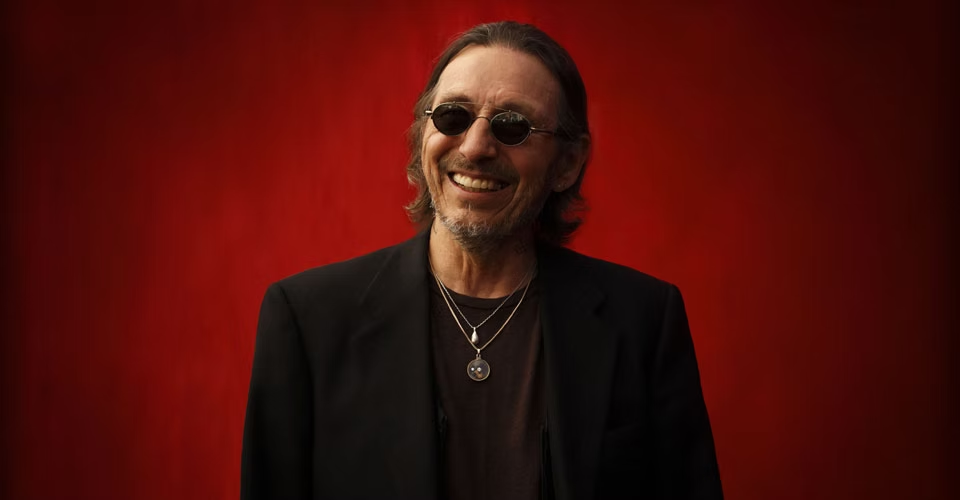
John Trudell did not set out to become a poet. Words became a way to remain connected to life after devastating loss. In 1979, a house fire killed his wife, Tina, their three children, and Tina’s mother. In the months that followed, lines began coming to him, giving form to grief he could scarcely endure.
By then, John had already become a prominent voice for Indigenous rights. Born in Omaha in 1946 and raised on and around the Santee Sioux reservation, he served as a spokesperson during the occupation of Alcatraz and later as national chairman of the American Indian Movement.
Poetry opened another means of reaching people. He began performing his words and combining spoken poetry with music, developing a body of work that carried political clarity alongside grief, tenderness, and humor. His collaborations with guitarist Jesse Ed Davis helped bring that sound to listeners through AKA Grafitti Man.
Across his recordings, writing, and public speaking, John challenged the treatment of land and people as resources to be consumed. His work asked listeners to examine the systems shaping their lives and the responsibilities that remain within their own reach. He could move from intimate feeling to an unsparing account of power without losing the connection between them.
John’s archive preserves his recordings, books, films, and public voice, offering new listeners access to work that continues to connect Indigenous sovereignty, human dignity, and responsibility to the Earth.
Why their voice matters: John brought the force of poetry to questions of power, identity, and survival. His work makes room for grief while insisting on the continued possibility of clear thought and meaningful action. His voice can help people recognize what threatens life and remember what remains worth protecting.


